


Caricamento
Speciale estate Speciale estate
Esperienza con gli Alpaca Esperienza con gli Alpaca

Hotel Ristorante Le Capanne

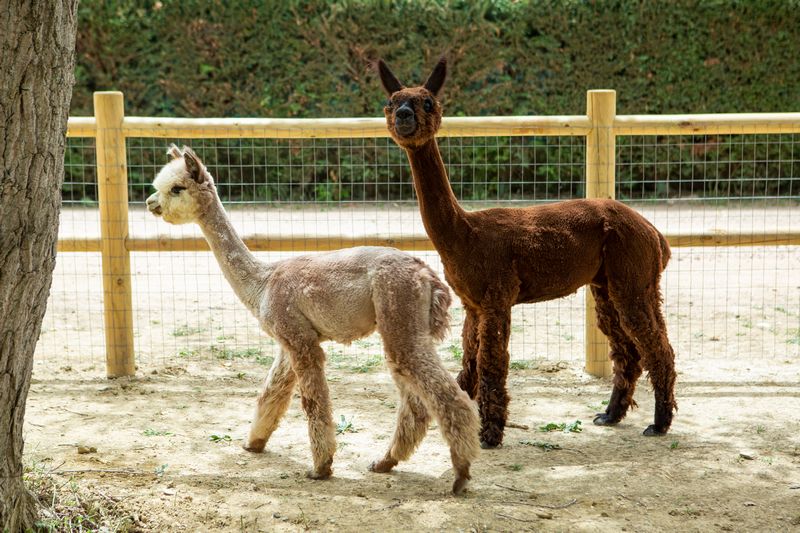
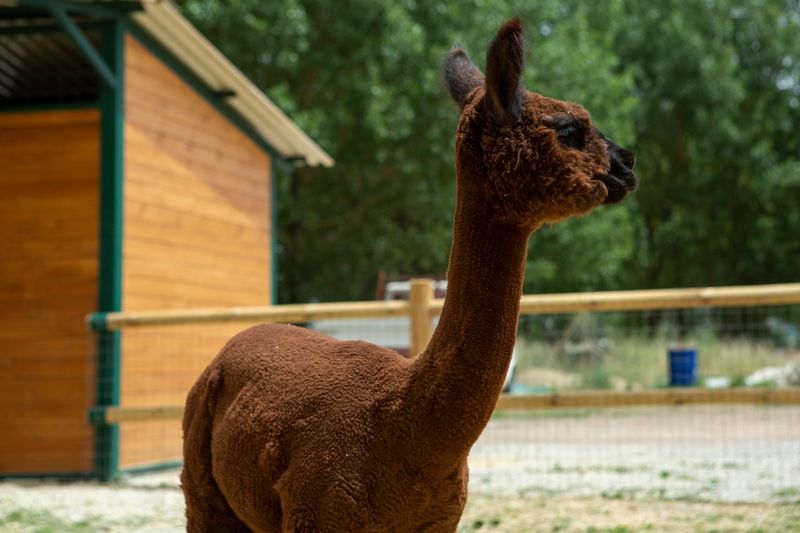
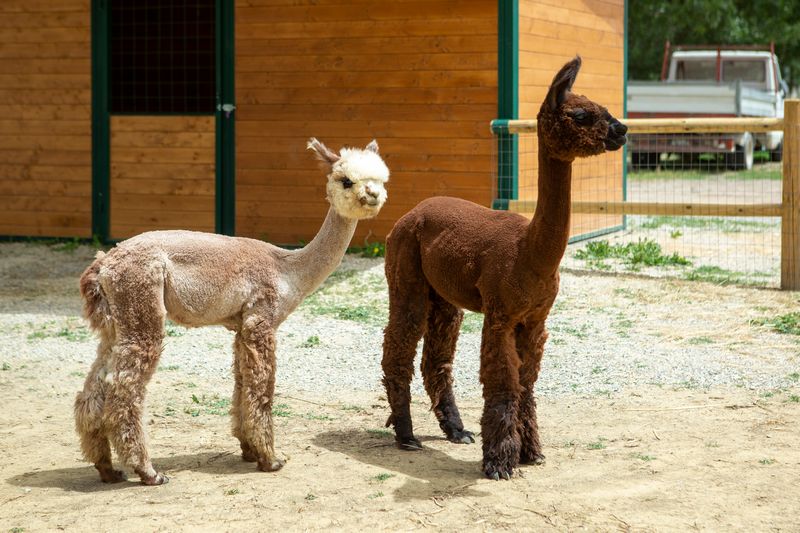
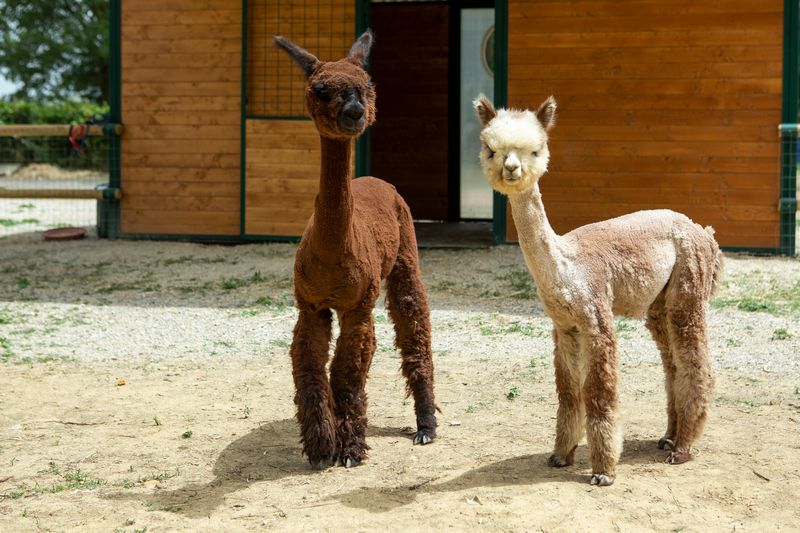
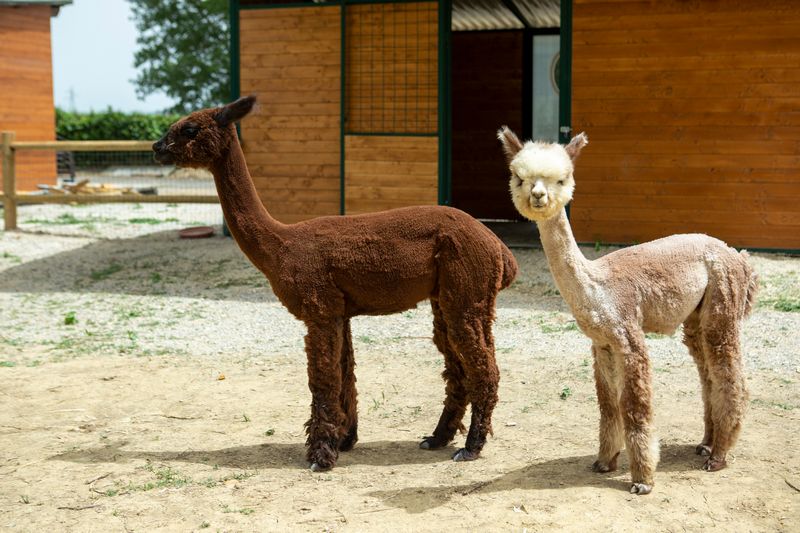
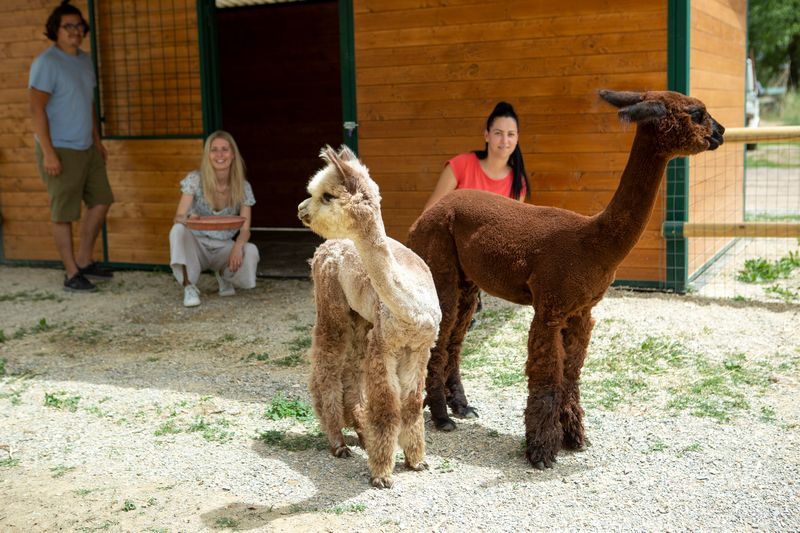
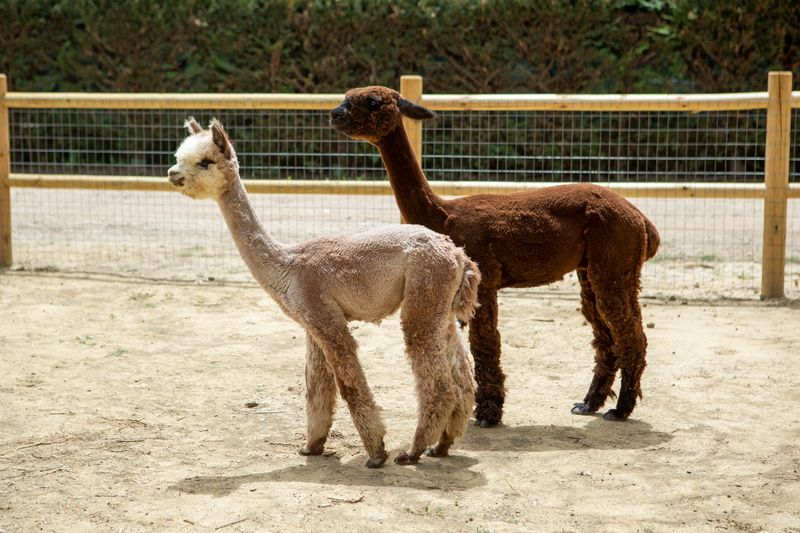
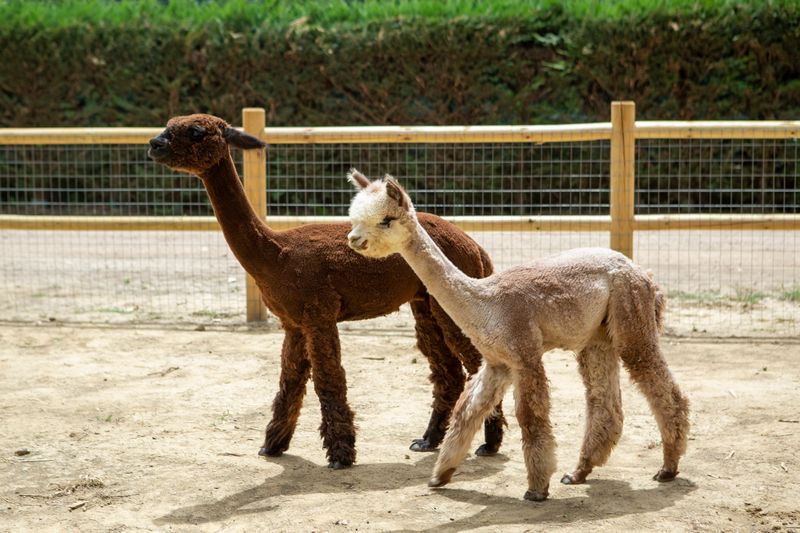
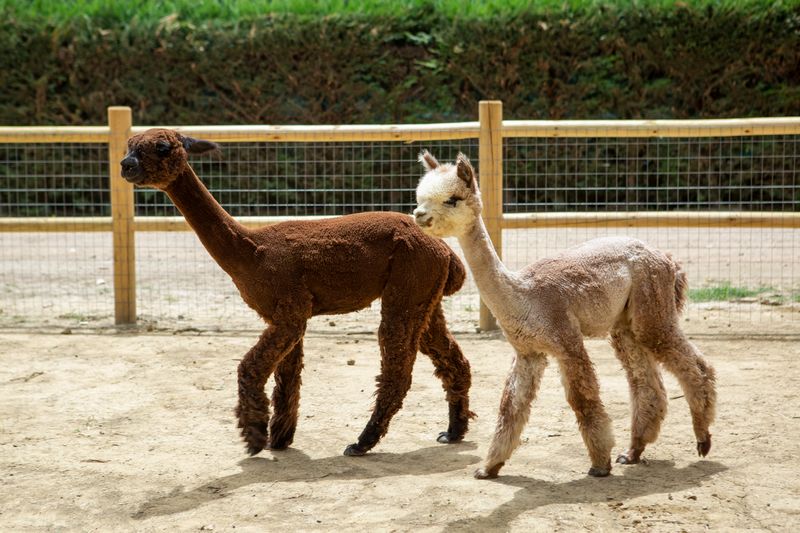
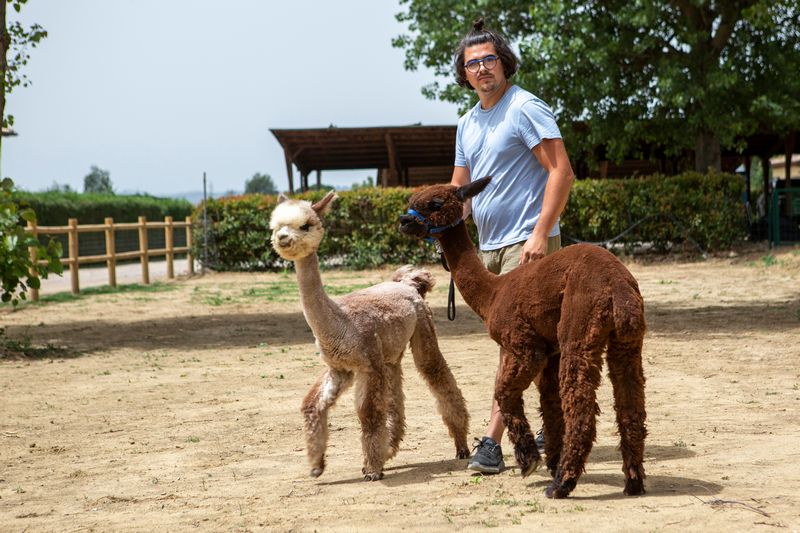
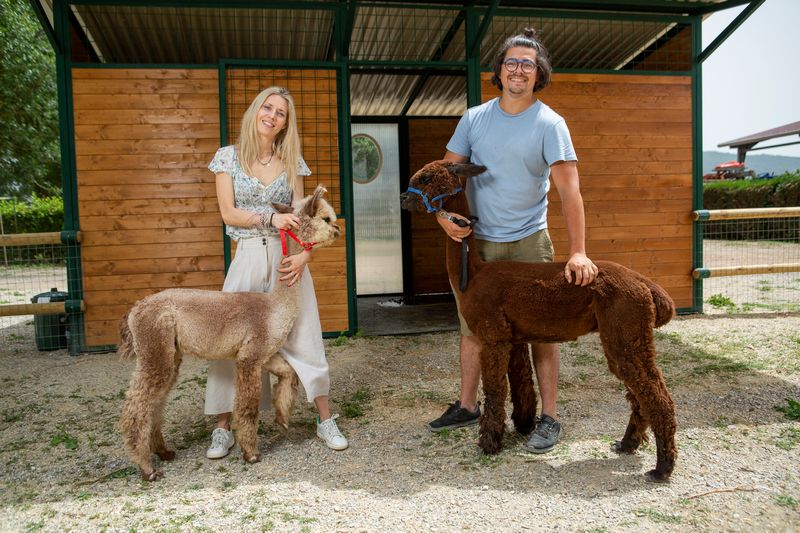
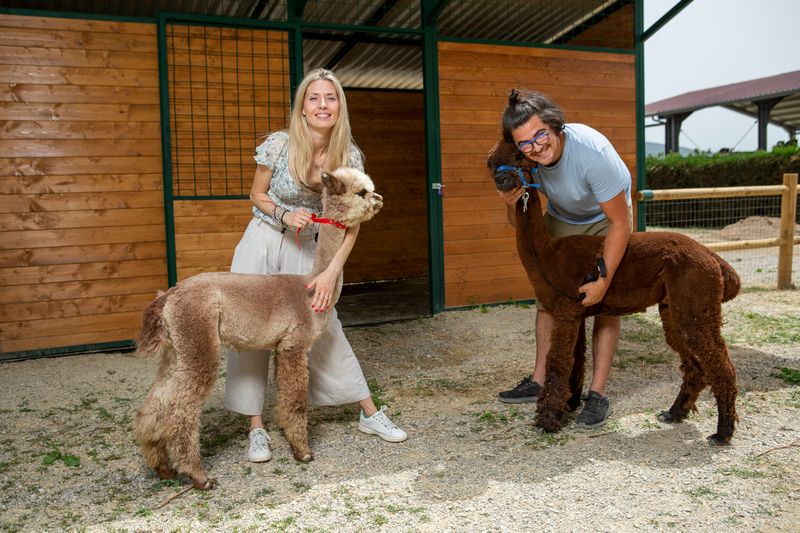
Meet Our Alpacas, Burberry and Hendrix

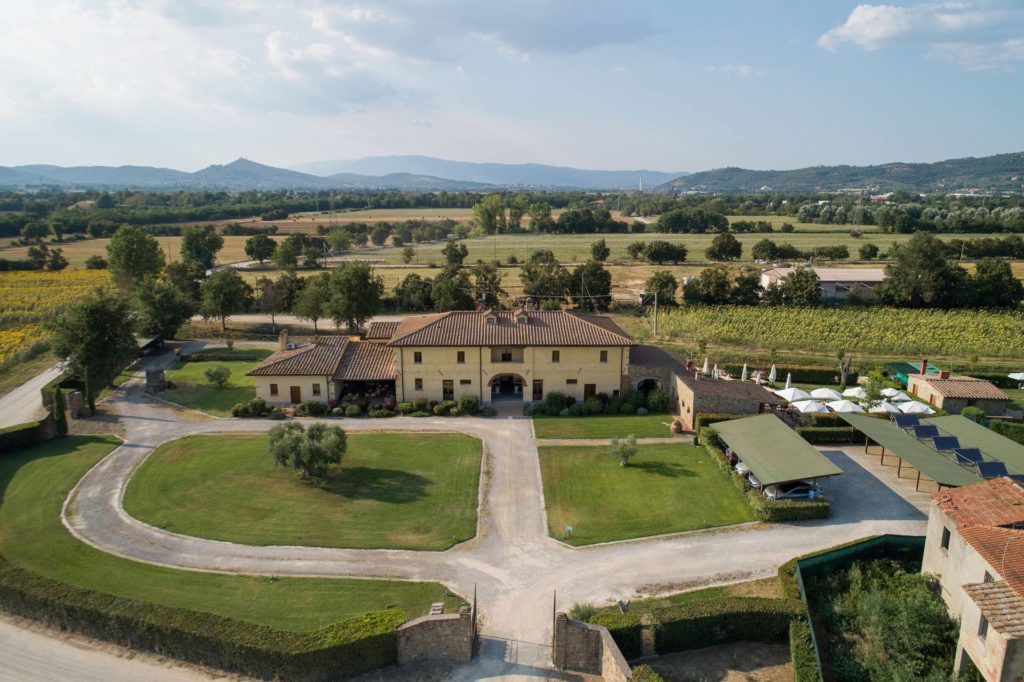
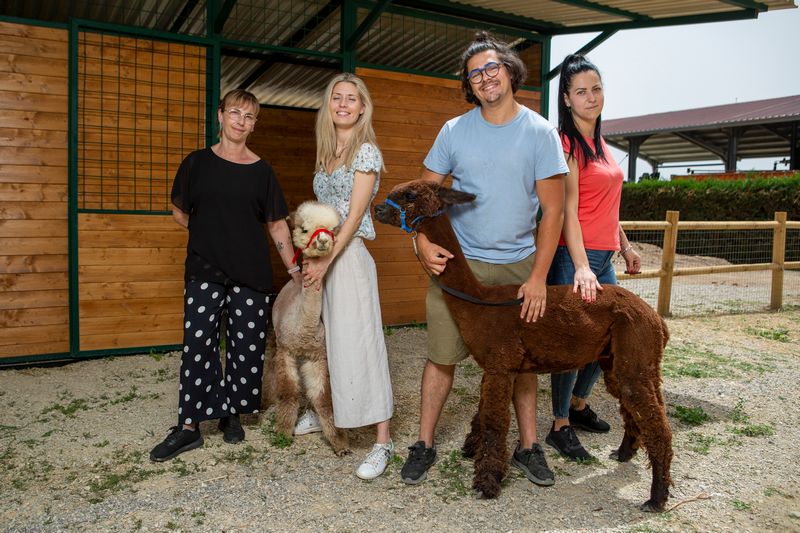
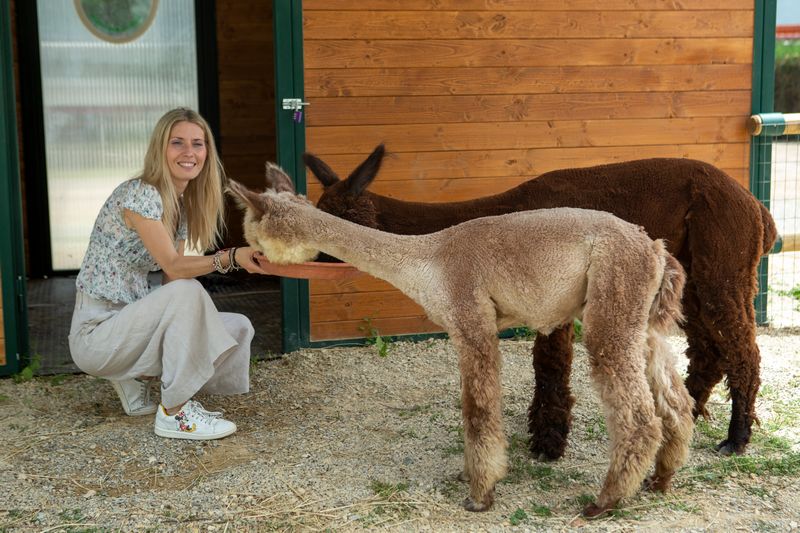
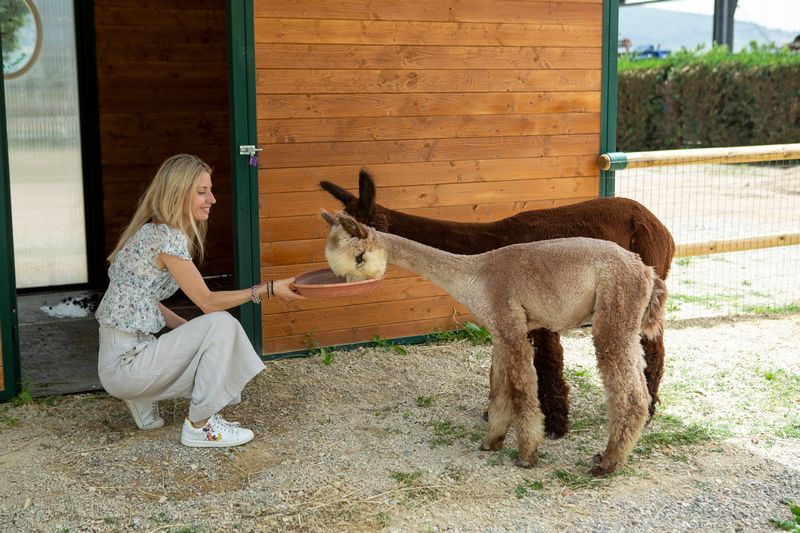
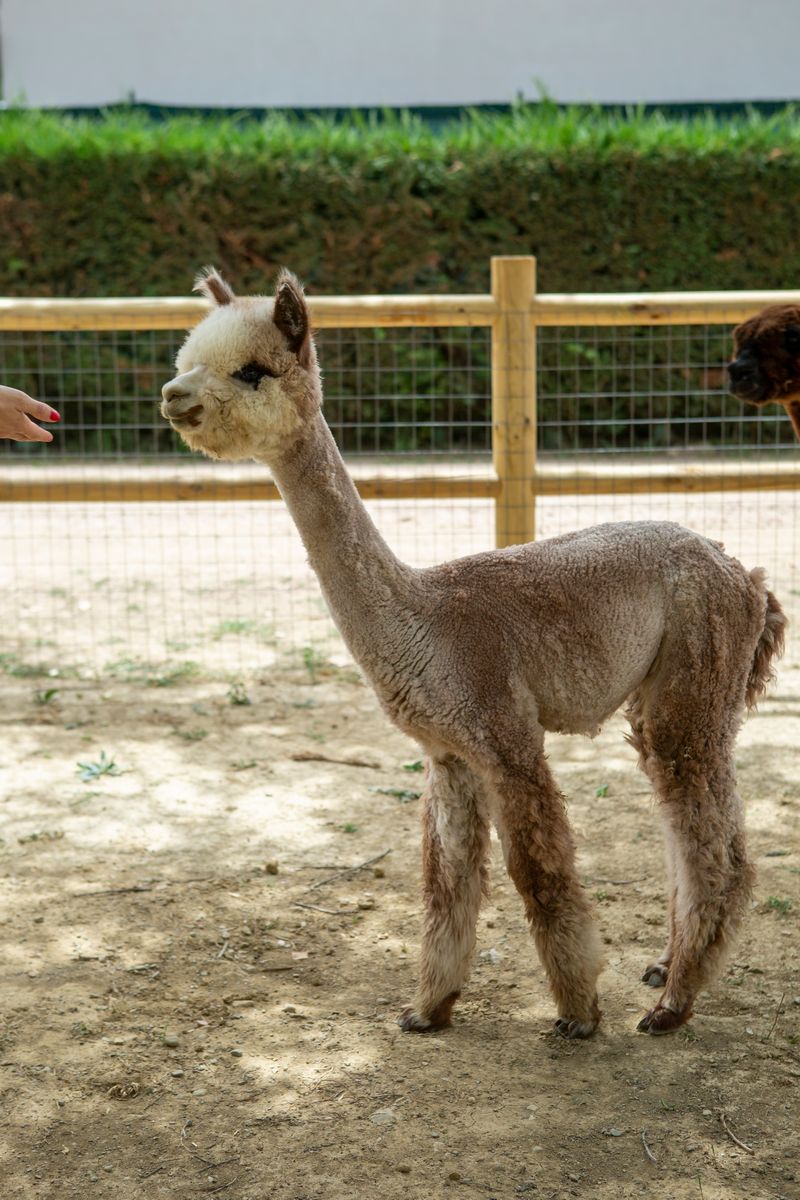
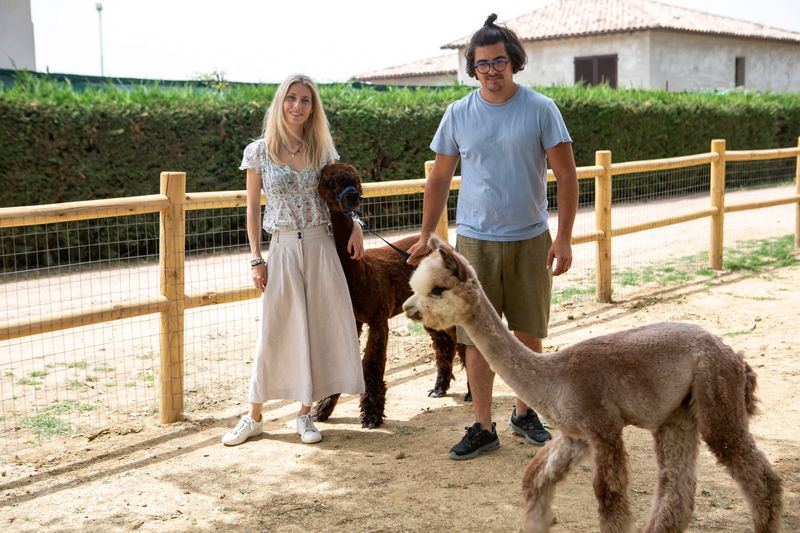
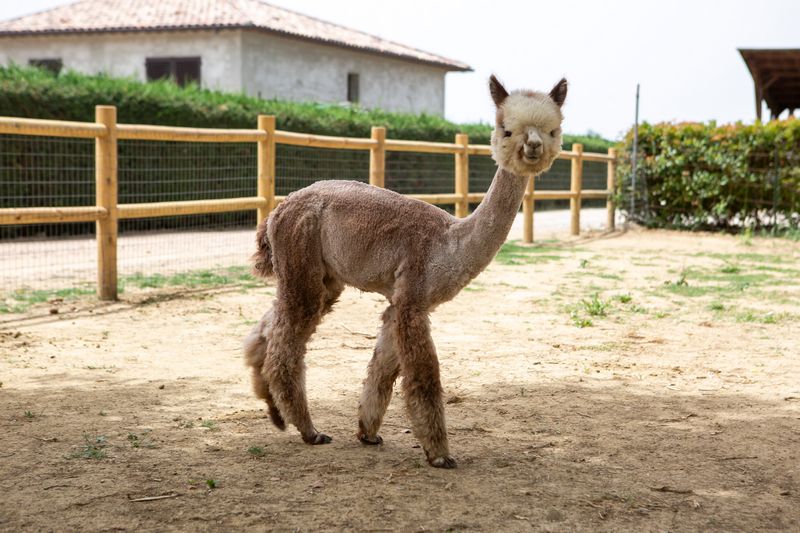
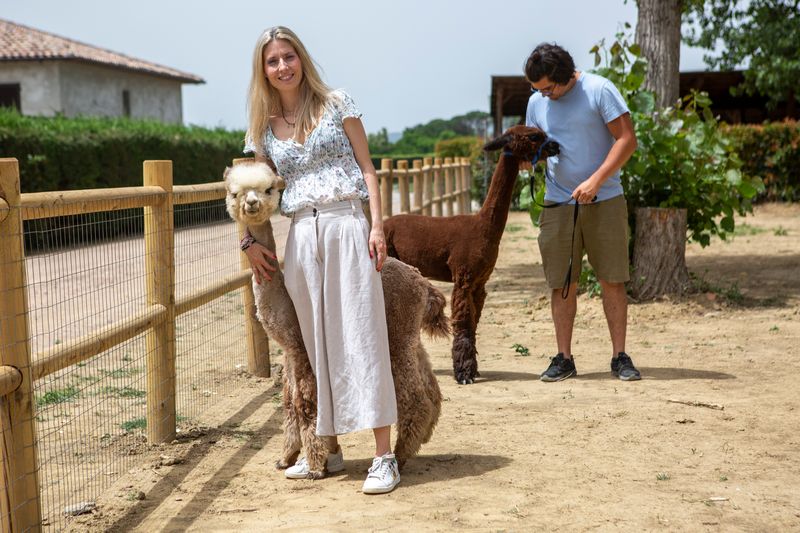
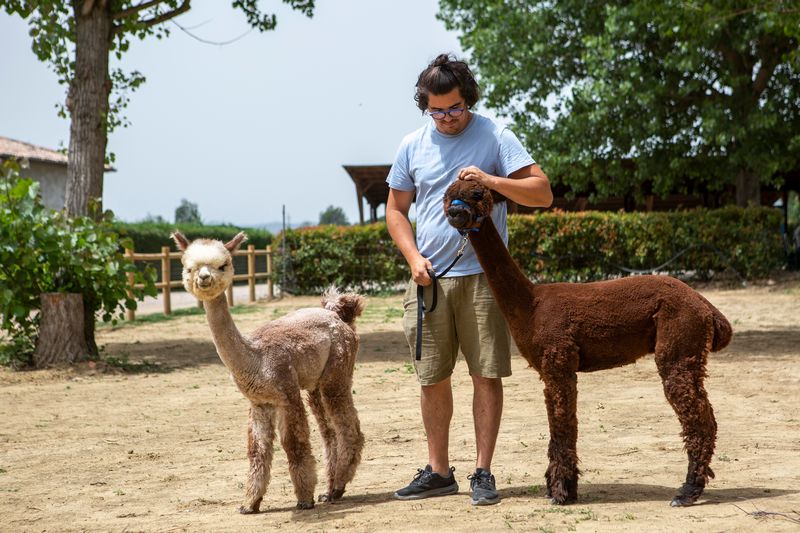
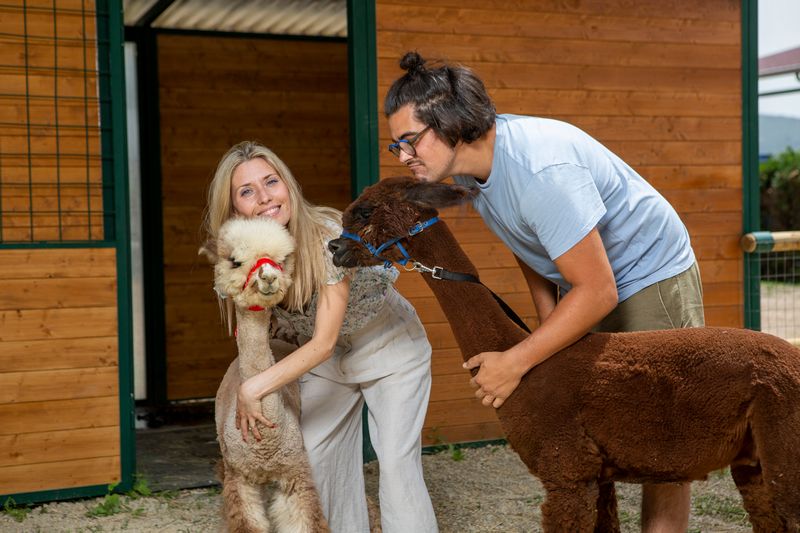
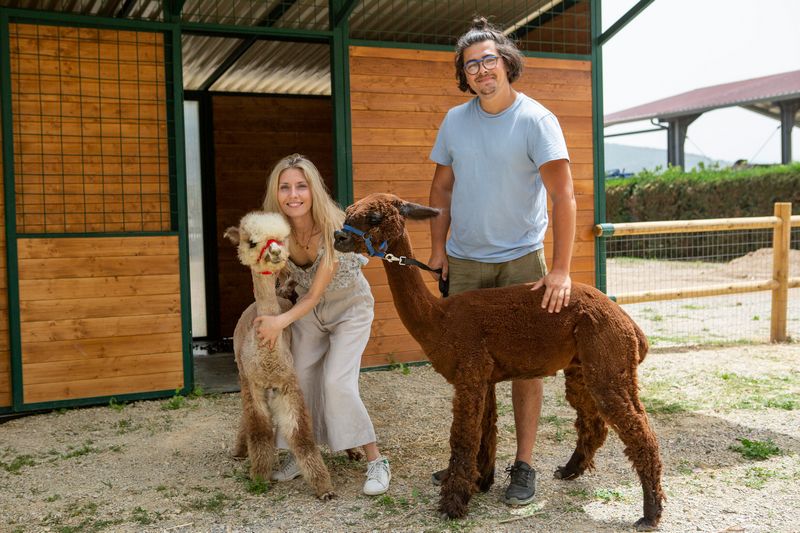
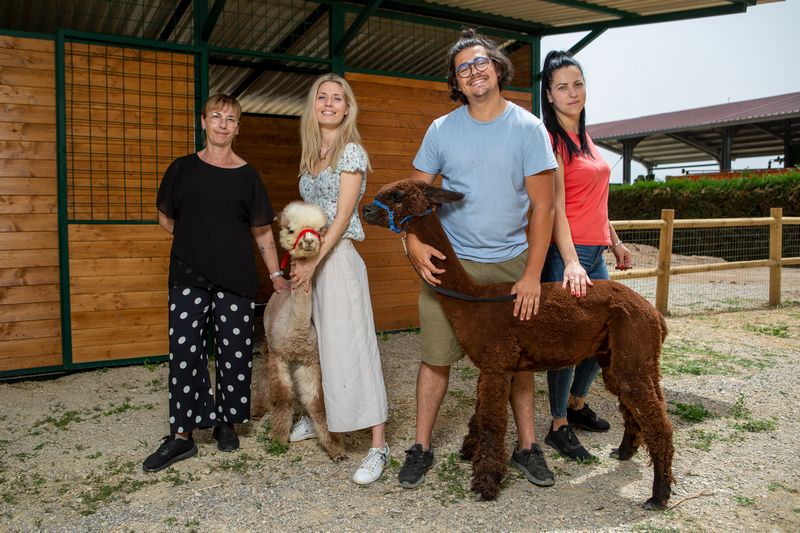
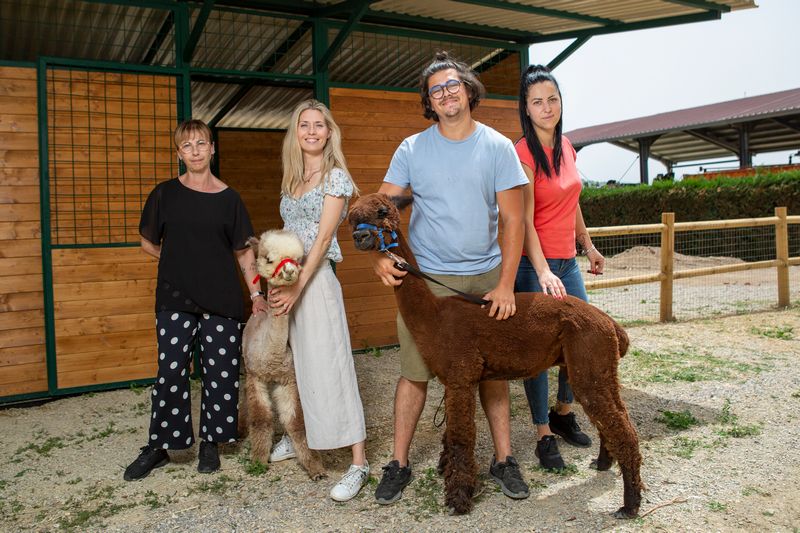
At Hotel Le Capanne, some friendly alpacas live as part of the property’s unique experience. Guests can observe them up close, take photos and, during dedicated moments, interact with them and even feed them.
It is a special opportunity for both adults and children to enjoy authentic contact with animals in a peaceful setting surrounded by nature.

Funny, gentle and wrapped in a beautiful, thick and incredibly soft coat, it is impossible not to melt when looking into their big dark eyes, which seem to gaze back at us with a curious and happy expression.

When we met them for the first time, their sweetness won us over and inspired us to believe in this dream, which has now become reality.

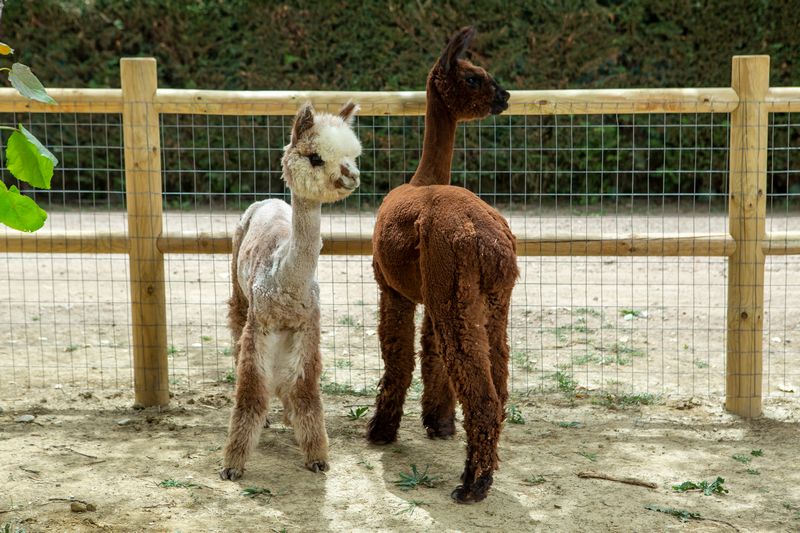
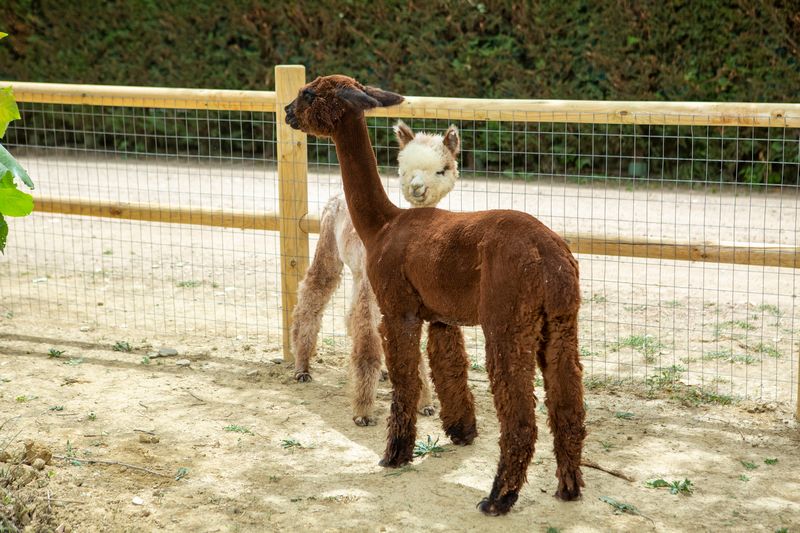
Hendricks

Date of birth: 6/10/2020

Colour: grigio

Mother: T.D.A. Nirvana

Father: Highland Zephyr

Burberry

Date of birth: 12/09/2019

Colour: marrone

Mother: Araminta della Foglia

Father: Higland Zephir

Did You Know?

Alpacas belong to the camelid family. They are gentle and loyal animals. In Peru, they are also used as travel companions: if they notice that a person is in difficulty, they do not continue without them. They wait and may even try to help.

Let’s Get to Know the Alpacas

Its origin remained rather uncertain for a long time. According to some authors, it was a domestic breed derived from the selection of the vicuña, while according to others it came from the selection of the guanaco, as happened with the llama. Others believed it originated from crosses between guanacos and vicuñas.
When scientific names were assigned to South American camelids between the 18th and 19th centuries, the alpaca was considered a descendant of the llama, despite its strong resemblance to the vicuña in terms of size, height and wool quality.
Many classification difficulties were also due to the fact that the four species can interbreed and produce fertile offspring.

A correct classification became possible only after the advent of new technologies. Through DNA analysis, it was discovered in 2001, with the presentation of research to the Royal Society of London for the Improvement of Natural Knowledge, that the alpaca descends from the vicuña and not from the guanaco.
As a result, the scientific name of the alpaca was changed from Lama pacos to Vicugna pacos.

Description
The alpaca does not exceed 90 cm in height at the withers and 75 kg in weight.
The alpaca is one of the two domestic species of camelids found in South America, the other being the llama. In appearance, it closely resembles a sheep, although it is larger and has a very long neck.
The alpaca is a ruminant; like all camelids, it has three stomachs for digesting fibre. On average, each animal eats about one kilogram of vegetation per day and, like all camelids, does not require large amounts of water.
There are two breeds of alpaca: the Huacaya and the Suri. The latter represents only 10% of the world’s alpaca population.
Females give birth to only one cria per year, as their gestation period lasts approximately 11 and a half months.
The Huacaya alpaca is the most widespread breed, accounting for 85% of the total. It has fleece that grows perpendicular to the skin, straight and plush-like, and a convex rump, giving it a rounded appearance.
In the Suri alpaca, the fleece falls along the body and the rump is straight, giving it a slightly more angular appearance.
Alpacas are raised in large herds that graze at altitudes between 3,500 and 5,000 metres in the Andes of southern Peru, northern Bolivia and northern Chile.
Unlike llamas, alpacas are not raised as pack animals, but for their precious wool, which is used to weave blankets and ponchos.

Alpaca Wool
Alpacas are shorn once a year, in spring. A female alpaca produces around 2.5 kg of wool, while a male alpaca can produce up to 4 kg of wool per year.
Alpaca wool is similar to sheep’s wool, but it is warmer and does not itch the skin. It is appreciated for its brightness and lightness.
Alpaca wool does not contain lanolin, does not felt and does not cause allergies. It also contains keratin, which is used in cosmetics.
The animal’s fleece can come in 22 different natural colours. The textile labelling code for alpaca wool is WP.

Offers

Offers

Let’s Get to Know the Alpacas

Its origin remained rather uncertain for a long time. According to some authors, it was a domestic breed derived from the selection of the vicuña, while according to others it came from the selection of the guanaco, as happened with the llama. Others believed it originated from crosses between guanacos and vicuñas.
When scientific names were assigned to South American camelids between the 18th and 19th centuries, the alpaca was considered a descendant of the llama, despite its strong resemblance to the vicuña in terms of size, height and wool quality.
Many classification difficulties were also due to the fact that the four species can interbreed and produce fertile offspring.

A correct classification became possible only after the advent of new technologies. Through DNA analysis, it was discovered in 2001, with the presentation of research to the Royal Society of London for the Improvement of Natural Knowledge, that the alpaca descends from the vicuña and not from the guanaco.
As a result, the scientific name of the alpaca was changed from Lama pacos to Vicugna pacos.

Description
The alpaca does not exceed 90 cm in height at the withers and 75 kg in weight.
The alpaca is one of the two domestic species of camelids found in South America, the other being the llama. In appearance, it closely resembles a sheep, although it is larger and has a very long neck.
The alpaca is a ruminant; like all camelids, it has three stomachs for digesting fibre. On average, each animal eats about one kilogram of vegetation per day and, like all camelids, does not require large amounts of water.
There are two breeds of alpaca: the Huacaya and the Suri. The latter represents only 10% of the world’s alpaca population.
Females give birth to only one cria per year, as their gestation period lasts approximately 11 and a half months.
The Huacaya alpaca is the most widespread breed, accounting for 85% of the total. It has fleece that grows perpendicular to the skin, straight and plush-like, and a convex rump, giving it a rounded appearance.
In the Suri alpaca, the fleece falls along the body and the rump is straight, giving it a slightly more angular appearance.
Alpacas are raised in large herds that graze at altitudes between 3,500 and 5,000 metres in the Andes of southern Peru, northern Bolivia and northern Chile.
Unlike llamas, alpacas are not raised as pack animals, but for their precious wool, which is used to weave blankets and ponchos.

Alpaca Wool
Alpacas are shorn once a year, in spring. A female alpaca produces around 2.5 kg of wool, while a male alpaca can produce up to 4 kg of wool per year.
Alpaca wool is similar to sheep’s wool, but it is warmer and does not itch the skin. It is appreciated for its brightness and lightness.
Alpaca wool does not contain lanolin, does not felt and does not cause allergies. It also contains keratin, which is used in cosmetics.
The animal’s fleece can come in 22 different natural colours. The textile labelling code for alpaca wool is WP.

Summer Relax by the Pool at Hotel Le Capanne

During the warm summer days, taking a moment to relax becomes an essential part of the holiday experience. At Hotel Le Capanne, guests can enjoy a beautiful swimming pool, designed to offer wellbeing, tranquillity and pleasant moments in the open air.

Whether it is a refreshing break after a day spent discovering the local area, a few hours of sunshine in total relaxation, or a moment to share with the family, the pool is one of the hotel’s most appreciated spaces.

Set in a welcoming and private atmosphere, it is the ideal place to slow down, recharge and fully enjoy the pleasure of summer. An additional service that makes a stay at Hotel Le Capanne even more pleasant, complete and relaxing.

Choosing Hotel Le Capanne means treating yourself not only to a comfortable stay, but also to the chance to enjoy every day with the perfect balance between discovery, rest and wellbeing.

Promo Code – 10% Off Your Stay

10% discount only on online bookings made through our website using the code OFFERTA2026.

This site is registered on wpml.org as a development site. Switch to a production site key to remove this banner.